

Mining Truck Tyre Costs: What You’re Really Paying Per Tyre, Per Truck, and Per Fleet
TL;DR
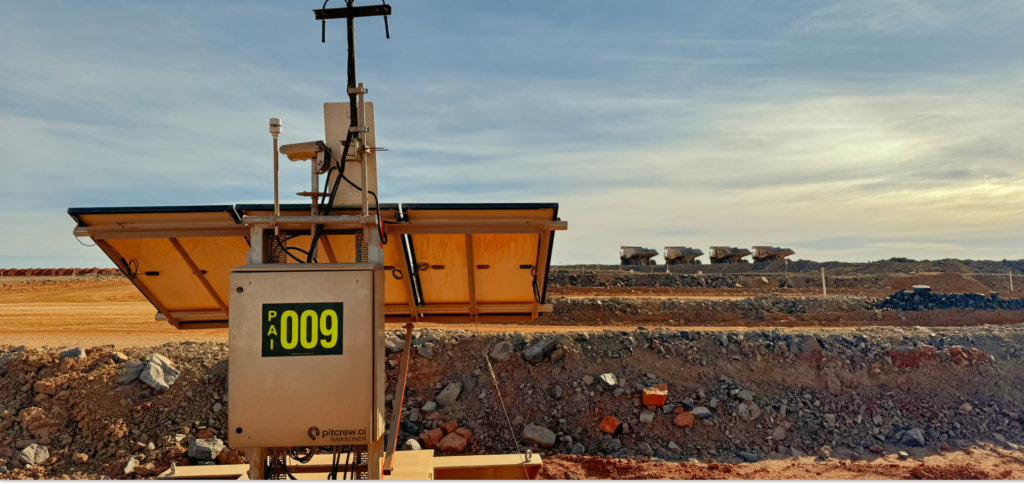
Heat is the earliest honest signal a heavy vehicle gives before something fails. A belt separation inside an off-the-road tyre casing generates friction heat long before the tread shows a bulge, and a dragging brake runs hot long before smoke appears. Thermal imaging reads that signal on every pass.
Key Takeaways
- Off-The-Road (OTR) tyres for ultra-class mining haul trucks cost between US$30,000 and US$70,000+ per tyre, depending on size, brand, and specification.
- A single CAT 797F runs six tyres at US$50,000 to US$80,000 each for premium brands.
- A fleet of 40 ultra-class trucks carries approximately US$12 to $16 million in active tyre inventory.
- Tyres are the second-largest operating cost after fuel, representing 20 to 25% of haul truck operating expenditure.
- Industry research indicates that an estimated 90% of ultra-class tyres never reach their intended operating life, making cost management critical.
How Much Do Mining Truck Tyres Cost Per Tyre?
A single ultra-class mining haul truck tyre costs between US$30,000 and US$70,000 or more, depending on tyre size, brand tier, and compound specification. The largest tyres fitted to trucks like the CAT 797F (59/80R63) sit at the top of the range, while mid-class trucks like the CAT 793F use smaller, less expensive sizes.
Three manufacturers dominate the giant OTR tyre market. Michelin, Bridgestone, and Goodyear control more than 95% of ultra-class mining tyre supply. This concentration limits negotiating leverage and keeps premium pricing relatively stable.
| Truck Model | Tyre Size | Premium Brand (USD) | Budget/Mid-Tier (USD) |
|---|---|---|---|
| CAT 797F | 59/80R63 | $50,000 – $80,000 | $30,000 – $50,000 |
| CAT 793F | 40.00R57 / 46/90R57 | $30,000 – $45,000 | $18,000 – $25,000 |
| Komatsu 930E | 53/80R63 | $40,000 – $60,000 | $35,000 – $55,000 |
| Komatsu 830E | 40.00R57 / 46/90R57 | $30,000 – $45,000 | $18,000 – $25,000 |
| Liebherr T264 | 40.00R57 / 46/90R57 | $30,000 – $45,000 | $18,000 – $25,000 |
| Hitachi EH5000 | 53/80R63 | $40,000 – $60,000 | $35,000 – $55,000 |
Premium brand prices reflect Michelin, Bridgestone, and Goodyear products under negotiated supply agreements. Budget and mid-tier prices reflect Chinese and alternative manufacturers. Actual pricing is contract-specific and commercially sensitive. These ranges are drawn from dealer listings, fleet management guides, industry surveys, and academic studies including a University of Sydney thesis on a major Hunter Valley coal operation.
What does a mining truck tyre cost per operating hour?
Ultra-class OTR tyres typically last 4,000 to 6,000 operating hours in iron ore mining and 8,000 to 10,000 hours in softer coal mining conditions. On a cost-per-hour basis, premium ultra-class tyres run approximately US$7 to $18 per operating hour depending on size, brand, and site conditions.
What Does a Full Set of Mining Dump Truck Tyres Cost per Truck?
Every ultra-class haul truck runs six tyres. A full set of premium tyres for a CAT 797F costs between US$300,000 and US$480,000. For a CAT 793F, a full set runs US$180,000 to US$270,000. These are purchase costs only. Total cost of ownership, including fitment, monitoring, repairs, and disposal, adds 35 to 80% on top of the acquisition price over the tyre’s operating life.
How Much Does a Mining Fleet Spend on Tyres?
A fleet of 40 ultra-class haul trucks carries approximately US$12 to $16 million in active tyre inventory. With spare stock at 10 to 15% of fleet requirements, total inventory value reaches US$13 to $18 million. Annual tyre consumption compounds the cost further.
- Active tyres: 40 trucks x 6 tyres = 240 tyres
- Spare buffer: 10 to 15% = approximately 24 to 36 additional tyres
- Illustrative inventory value: 270 tyres x US$55,000 average = approximately US$14.85 million
At a major Hunter Valley coal operation, a fleet of 69 Liebherr T282C trucks consumed approximately 650 tyres per year at a total annual tyre cost of approximately US$34 million.
After fuel, tyres are typically the most expensive consumable in surface mining. They represent 20 to 25% of total haul truck operating costs. Over a truck’s operating life, total tyre spend approximately equals the capital cost of the truck itself. To understand what happens when these tyres fail prematurely, see our breakdown of the true cost of an OTR tyre failure.
What Drives Mining Truck Tyre Cost Variation?
The wide price ranges reflect several key factors. Tyre size is the primary driver. A 59/80R63 tyre (fitted to CAT 797F) costs roughly twice as much as a 40.00R57 (fitted to smaller haul trucks). Brand tier creates a 30 to 60% price gap between premium manufacturers and Chinese alternatives. Industry estimates suggest premium tyres typically last 40 to 100% longer, narrowing the cost-per-hour difference to approximately 7 to 15%.
- Tyre size: A 59/80R63 can cost roughly double a 40.00R57 in absolute purchase price.
- Brand tier: Michelin, Bridgestone, and Goodyear command 30 to 60% premiums over Chinese alternatives.
- Compound and TKPH rating: Heat-resistant and cut-resistant specifications change pricing and suitability for the duty cycle.
- Geography: In Australia, tier-one miners pay approximately US$45,000 per tyre for 57-inch or 63-inch sizes. Delivery to Pilbara operations adds US$5,000 to $15,000 per tyre due to specialised flatbed transport.
- Contract versus spot pricing: Long-term supply agreements stabilise price. Spot market prices during the 2008 supply crisis reached US$93,500 for a single Michelin XDR tyre.
- Market conditions: The 2021 to 2022 rubber shortage caused an approximately 25% price surge. The 2008 to 2012 crisis saw increases of up to 425%.
Are Retreaded OTR Tyres a Cheaper Alternative?
A quality retread costs 40 to 60% of a new tyre and can restore up to 80% of the original tread depth. Retreading is an established practice in mining tyre management, though viability depends on casing condition and operating environment.
Industry data indicates retreaded tyres deliver cost-per-hour savings of approximately 31% compared to new tyres. Most casings support one to two retreads. Australian retread specialist Tytec reports that up to four retreads per casing are possible under ideal conditions, though this represents the upper bound of current practice.
Retreads perform best in controlled haul environments with well-maintained roads. They are not suitable for high-cut or high-heat conditions where casing integrity may be compromised. Retreading is one of several levers covered in our guide to reducing costs in mining.
For a broader look at how autonomous tyre monitoring supports haul fleets, see Pitcrew AIS for mining operations.
See what your tyres really cost per hour
Pitcrew AIS inspects every tyre on every pass and flags developing faults early, so a casing worth tens of thousands can be retreaded rather than written off. Request a demo to talk through the numbers for your fleet.
Frequently Asked Questions
Premium brands (Michelin, Bridgestone) cost between US$50,000 and US$80,000 per tyre for the 59/80R63 size fitted to the CAT 797F. Budget alternatives from Chinese manufacturers range from US$30,000 to US$50,000. In Australia, tier-one mining operations pay approximately US$45,000 per tyre under contract pricing.
Ultra-class haul trucks such as the CAT 797F, Komatsu 930E, and Hitachi EH5000 run six tyres: two on the steer axle and four on the drive axle. At premium pricing, that puts a full set between US$300,000 and US$480,000 per truck.
Australia imports all mining Off-The-Road (OTR) tyres. Geographic isolation and freight costs add 10 to 20% over North American baselines. Delivery to remote Pilbara mine sites requires specialised flatbed transport carrying a maximum of two tyres per load, adding US$5,000 to $15,000 per tyre in logistics costs.
Premium brands command a 30 to 60% price premium over budget alternatives on a per-unit basis. However, industry estimates suggest premium tyres typically last 40 to 100% longer, narrowing the cost-per-hour gap to approximately 7 to 15%. Most fleet managers evaluate tyre purchases on cost-per-operating-hour rather than upfront price alone.
Yes. A quality retread costs 40 to 60% of a new tyre and delivers cost-per-hour savings of approximately 31%. Most casings support one to two retreads. Suitability depends on casing condition, which is assessed through X-ray or shearography testing before retreading.
Industry research indicates that an estimated 90% of ultra-class mining tyres never reach their intended operating life, typically removed due to failure or damage rather than normal wear. Proactive tyre monitoring and management programmes can extend tyre life by 15 to 30%. Autonomous thermal inspection systems, such as the Pitcrew Autonomous Inspection System (AIS), use FLIR thermal imaging to detect tread separations and thermal anomalies before they progress to catastrophic failure.